
Lymphatic drainage, the unsung hero of a pleasant trip through international airports, is an important aspect of helping to eliminate unwanted trash after long flights. Most of us are familiar with this phenomenon after a lengthy travels; when we get off the plane and notice our luggage looks like it’s just been molded into a larger than normal suitcase or carry-on due to bloating from an extended flight. Although glamorous, travel in photos often comes along with the realities of stiff legs, swollen ankles, and having an eerily hybrid of being both worn out and overly energized.
So, let’s explore what happens to your body while traveling and how to trick your body into staying healthy without turning your travels into some sort of healthy boot camp.
Table of Contents
Your Lymphatic System Is Not a Frequent Flyer
Your heart has a pump. Your lungs have a rhythm. Your digestive system has a schedule. Your lymphatic system, however, relies heavily on movement. It depends on you walking, stretching, breathing deeply, and generally behaving like a human who does not sit in seat 22B for six consecutive hours.
When you are still for long periods, fluid can collect in the lower body. Gravity is not sentimental. It does not care that you paid extra for legroom. The result can be swelling, heaviness, and that familiar feeling of tight shoes at baggage claim.
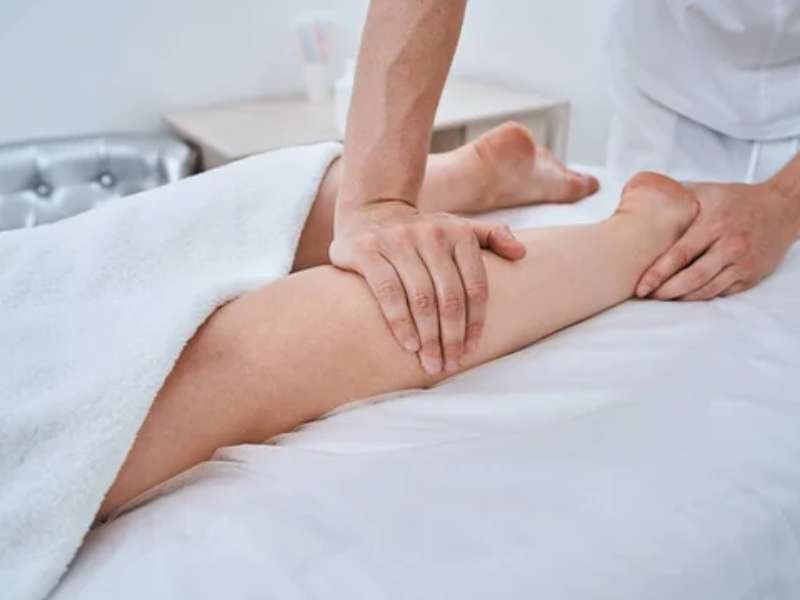
The good news is that your body responds quickly to small changes. A few calf raises while waiting to board. Gentle ankle circles mid flight. Standing up every hour, even if it is just to visit the back of the plane and pretend to stretch thoughtfully. These micro movements support circulation and help keep everything flowing as it should.
The Real Reason Your Ankles Look Dramatic
Let us address the elephant in the departure lounge. Why do your ankles sometimes look like they have been inflated by cabin pressure?
Several factors team up against you. Reduced cabin pressure, dehydration from dry air, and long periods of sitting can all encourage fluid to settle in the lower legs. Add salty snacks and celebratory airport drinks, and your body is juggling quite a bit.
This is where lymphatic drainage enters the chat in a very practical way. When you encourage healthy fluid movement, you reduce that heavy, bloated sensation. No, you do not need to perform an elaborate ritual in the aisle. Simple strategies work beautifully.
Wear compression socks on longer flights. They are not glamorous, but they are effective. Drink water consistently before and during travel. Moderate the salty snacks. Move when you can. These habits may not earn you applause from fellow passengers, but your legs will thank you.
Lymphatic Drainage in the Airport Bathroom
Yes, we are going there. Because sometimes travel wellness is not Instagram friendly.
Gentle self-massage techniques can be done almost anywhere. Start with light, upward, sweeping strokes from your ankles to your knees for good circulation and flow. Use a gentle touch; think of guiding and soft, not grinding. Use gentle touches around your collarbone area for good circulation to the upper body. All you need are a few minutes and no equipment.
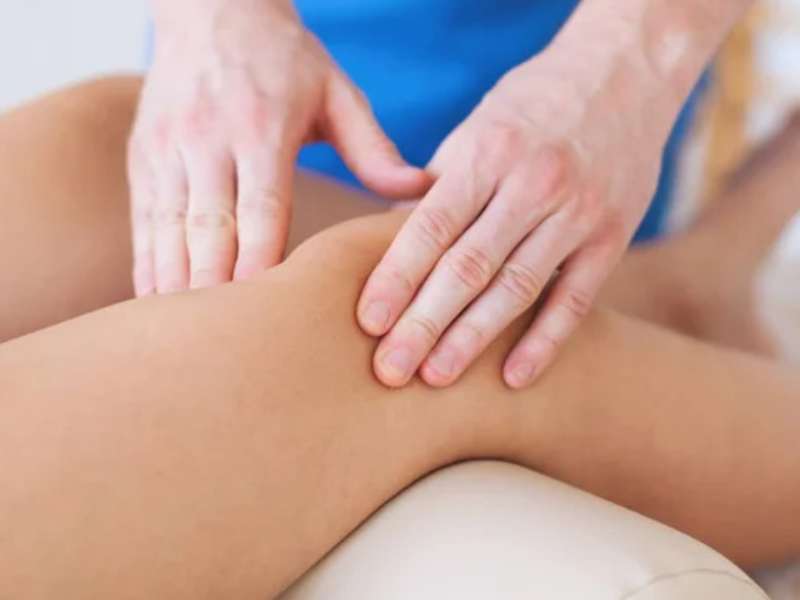
Another excellent resource is deep breathing. Deep, slow, thoracic breaths act as an internal pump, causing changes in physical pressure that will help move fluids. Take five slow, diaphoretic, and deeper than usual breaths before boarding the plane, and again midway through your flight, to help you feel relaxed while benefiting physiologically.
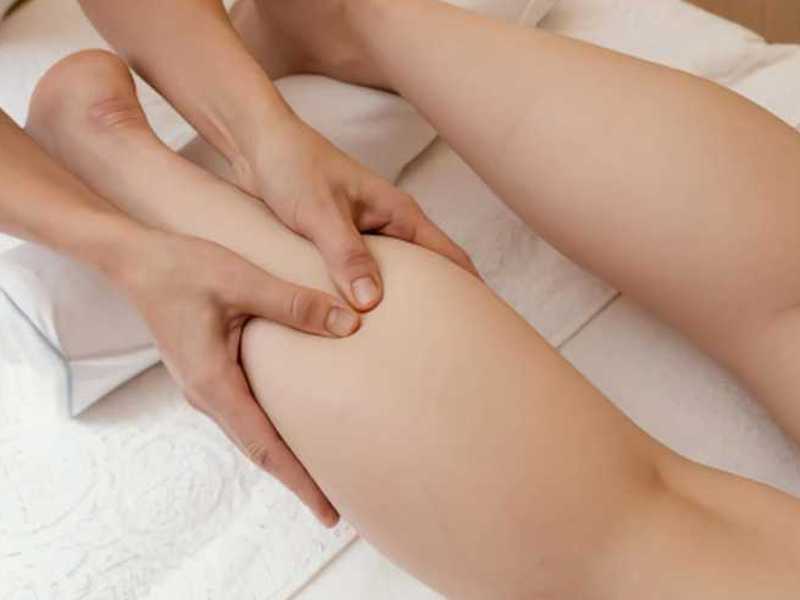
If you are someone who travels frequently for work, consider booking professional sessions before or after major trips. A skilled therapist trained in lymphatic drainage uses light, rhythmic techniques designed specifically to encourage flow. It is not a deep tissue massage. It is more precise and surprisingly relaxing.
Turn Your Hotel Room Into a Recovery Zone
You arrive. You drop your bags. You face plant onto the bed. Completely understandable. But before you surrender to horizontal living, give your body five to ten minutes of attention.
Start with a warm shower to relax muscles. Then do a short series of movements. Bodyweight squats, lunges, shoulder rolls, gentle spinal twists. Nothing extreme. You are not training for a marathon in the Marriott. You are reminding your body that you are no longer confined to an airplane seat.
If your hotel has a pool, use it. Water creates natural pressure around your body, which can support circulation. Even slow walking in chest deep water is effective. It feels leisurely but works quietly in the background.
Sleep is your secret weapon. Travel disrupts circadian rhythms, and poor sleep can make you feel puffy and inflamed. Darken the room. Limit late night screen time. Hydrate earlier in the evening so you are not waking up repeatedly. Your system recalibrates during rest.
The Travel Menu and Fluid Drama
Eating in airports is like stepping into another world. Privileged to choose from pretzels, fries, processed deli sandwiches, and sweet treats makes airport dining fun and easy?but they?re also highly salted, which means they can cause temporary water retention!
- When choosing items at airport food court locations, try to focus on incorporating potassium-rich foods into your meals (ex: fruits; yogurt or low-fat Greek yogurt; dark, leafy veggies).
- Whenever possible, order grilled options instead of deep-fried ones, as they’re usually loaded with salt.
- Also, pair your coffee with water instead of replacing your caffeine with water.
After arriving at your destination, walk! If it?s safe and practical, walking around to explore your new area for about 20 minutes gives you not only an opportunity to sightsee, but also improve circulation and give your body an opportunity to recover from long periods of sitting still.
Frequent Flyers Need a Strategy
If travel is not a rare treat but part of your job, you need a system. Cabin crew, consultants, performers, digital nomads. You cannot rely on occasional good intentions.
Build rituals. Compression socks for flights longer than three hours. A short stretch routine every morning. Consistent hydration habits. Occasional professional support if you notice persistent swelling or heaviness.
Lymphatic distribution means finding harmony with your body. With proper understanding of movement, nourishment and gentle pressure; build a travel routine that works in harmony with your body?s natural rhythms. Watch for signs of injury and/or pain. If there is persistent swelling or asymmetries, please contact your physician or a health care professional for guidance. Travel-related discomfort may occur frequently. Ongoing or severe symptoms are not something to self diagnose away.
Arrive Like You Meant To
There is a distinct difference between arriving exhausted and arriving energized. The first version of you is scanning for the nearest chair. The second is ready for a meeting, a museum, or a midnight bowl of noodles in a city you have never seen before.
The difference is often not luck. It is preparation. Small, consistent actions before, during, and after travel can transform how you feel. Movement, hydration, smart food choices, and simple self care techniques add up.
You do not need to turn your trip into a wellness retreat. You just need to respect the basics. Support circulation. Breathe deeply. Move when you can. Rest intentionally.
Travel will always involve a bit of chaos. Delays happen. Seats are small. Snacks are salty. But when you make room for thoughtful habits that support lymphatic drainage, you step off the plane feeling lighter, clearer, and far more ready to enjoy the adventure ahead, all thanks to a little attention to lymphatic drainage.
Posts from the same category:
- Relaxation and Health for Your Spirit and Body
- Experience Ultimate Health and Relaxation at Thermana Laško
- Slovenia Terme – Relaxation for peace lovers
- Slovenia terme – Three best Slovenian thermal spas for families
- Thermana Laško Spa Resort is Your Ultimate Relaxation Destination
- Enjoy Ultimate Wellness in Slovenian Spas
- Indulge in Flowers and Beer in Laško, Slovenia




 Business tourism is a major part of tourism in the world.